



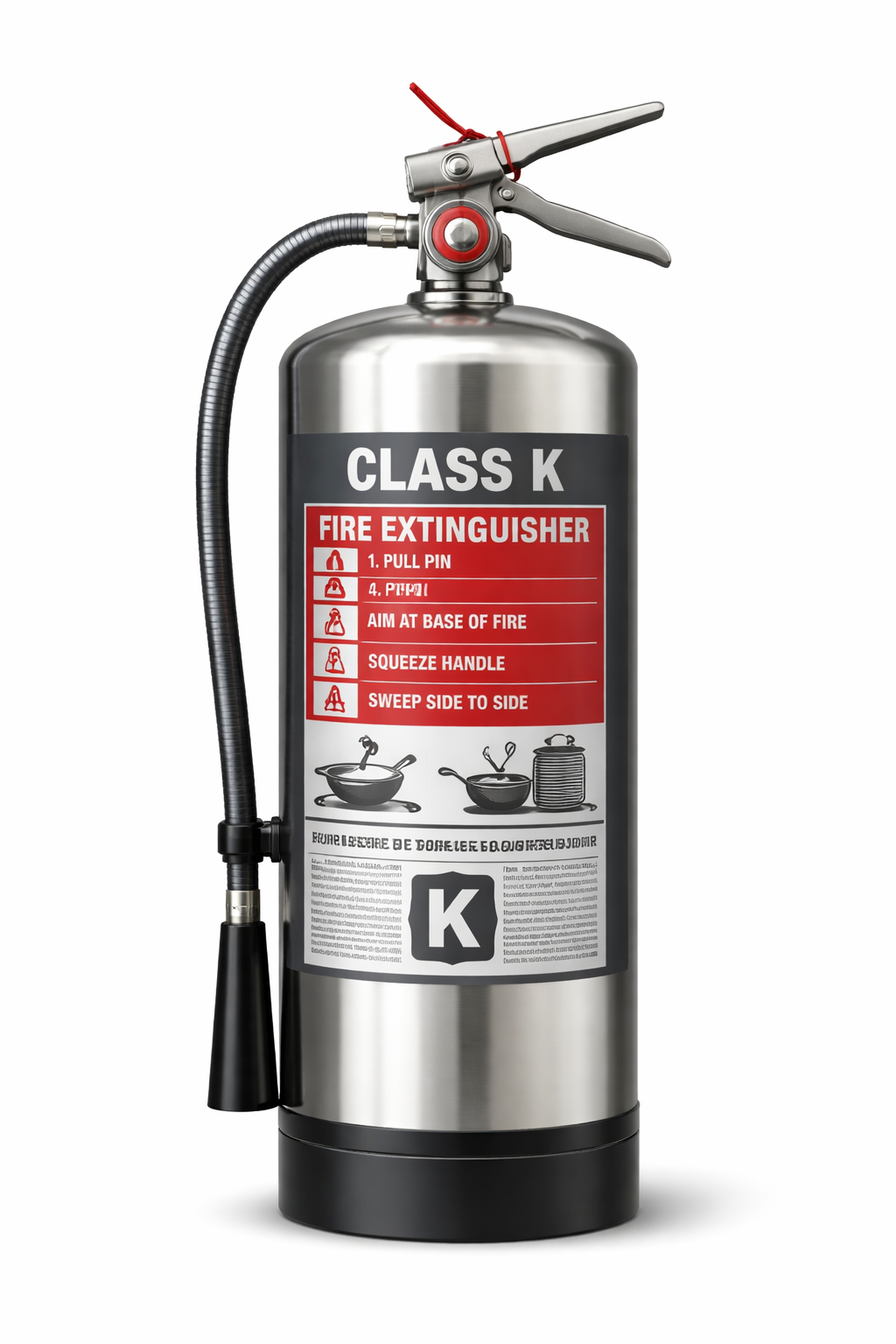
Fire safety is a critical concern in every environment class k fire extinguisher, but it becomes especially important in places where cooking oils, fats, and high temperatures are part of daily operations. Commercial kitchens, restaurants, hotels, food processing units, and catering facilities face a unique type of fire risk that cannot be handled effectively with ordinary fire extinguishers. This is where the class k fire extinguisher plays a vital role.
Unlike general-purpose fire extinguishers, this specialized fire protection device is designed specifically to combat fires involving cooking oils and fats. Understanding how it works, why it is necessary, and where it should be used can make the difference between a controlled incident and a catastrophic loss.
This article provides an in-depth explanation of the class k fire extinguisher, covering its purpose, working mechanism, applications, benefits, limitations, maintenance requirements, legal considerations, and best practices for safe use. Whether you manage a commercial kitchen or are responsible for workplace safety, this guide will help you make informed decisions about fire protection.
Understanding Fire Classes and Why They Matter
Fires are classified based on the type of fuel involved. This classification system helps determine which extinguishing method is most effective and safest to use. Using the wrong extinguisher can worsen a fire or cause serious injury.
Common Fire Classes Explained
- Class A fires involve ordinary combustible materials such as wood, paper, cloth, and cardboard.
- Class B fires are fueled by flammable liquids like petrol, diesel, paints, and solvents.
- Class C fires involve flammable gases such as propane, butane, and methane.
- Class D fires are caused by combustible metals like magnesium, sodium, and aluminum.
- Class K fires involve cooking oils and fats commonly used in commercial kitchens.
Class K fires burn at extremely high temperatures and behave differently from other fire types. Water-based extinguishers or improper agents can cause oil splatter, spreading the flames rapidly. This is why a dedicated solution is essential.
What Is a Class K Fire Extinguisher?
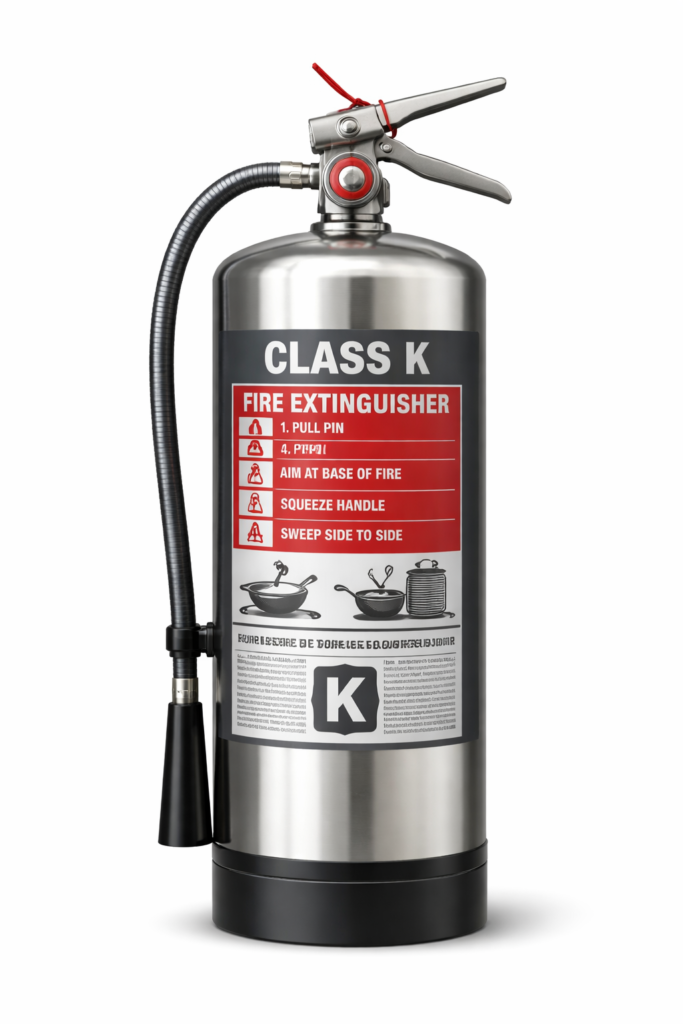
A class k fire extinguisher is a specially designed fire suppression device intended to control and extinguish fires caused by cooking oils and fats. These fires typically occur in deep fryers, grills, stovetops, and other commercial cooking equipment.
This type of extinguisher uses a wet chemical agent that reacts with hot oils through a process known as saponification. This chemical reaction creates a thick, soapy foam layer over the burning oil, cutting off oxygen and cooling the fuel at the same time.
Why Ordinary Fire Extinguishers Are Not Enough for Kitchen Fires
Many people assume that any fire extinguisher can handle a kitchen fire. This assumption is not only incorrect but also dangerous.
Risks of Using Water on Oil Fires
Water instantly turns into steam when it hits burning oil. This rapid expansion causes the oil to splash violently, spreading flames and potentially causing severe burns. The fire can grow larger within seconds.
Limitations of Dry Chemical Extinguishers
While dry chemical extinguishers can knock down flames temporarily, they do not cool the oil sufficiently. As a result, the fire may reignite once the chemical cloud settles.
A class k fire extinguisher is specifically engineered to address these problems, making it the safest and most effective option for kitchen environments.
How a Class K Fire Extinguisher Works
The effectiveness of this extinguisher lies in its chemical action and delivery method.
Wet Chemical Agent
The extinguisher contains a solution typically made of potassium-based compounds. When discharged onto burning oil, the agent reacts with the fat to form a stable, non-flammable soap-like layer.
Saponification Process
This process serves two crucial purposes:
- It seals the surface of the oil, blocking oxygen.
- It reduces the temperature of the oil below its ignition point.
Controlled Discharge
Class K extinguishers are designed to release the agent gently in a fine mist or spray, preventing oil splashing and minimizing fire spread.
Common Places Where Class K Fire Extinguishers Are Essential
A class k fire extinguisher is most commonly found in commercial food preparation areas, but its use extends beyond restaurants.
Commercial Kitchens
Restaurants, hotels, cafeterias, and fast-food outlets rely heavily on deep fryers and grills, making them high-risk areas.
Catering Facilities
Large-scale catering operations often use portable cooking equipment that increases fire hazards.
Food Processing Plants
Industrial food production involves large volumes of hot oils, requiring specialized fire protection.
Institutional Kitchens
Schools, hospitals, and correctional facilities operate kitchens that serve large populations and must adhere to strict safety standards.
Benefits of Using a Class K Fire Extinguisher
Investing in the correct fire protection equipment offers several important advantages.
Enhanced Safety
The extinguisher reduces the risk of fire spread and protects staff from burns and injuries.
Effective Fire Control
It addresses the root cause of oil fires rather than just suppressing visible flames.
Reduced Property Damage
By controlling fires quickly, damage to kitchen equipment and infrastructure is minimized.
Compliance with Safety Regulations
Many fire safety codes require the presence of appropriate extinguishers in commercial kitchens.
Class K Fire Extinguisher vs Other Fire Extinguishers
Understanding the differences between extinguisher types helps avoid dangerous mistakes.
Compared to Class ABC Extinguishers
ABC extinguishers are versatile but not suitable for high-temperature oil fires. They lack cooling capability and may allow re-ignition.
Compared to CO₂ Extinguishers
CO₂ extinguishers can displace oxygen but do not cool the oil effectively, making them unreliable for deep fryer fires.
Compared to Foam Extinguishers
Standard foam extinguishers are not designed for cooking oil fires and may react unpredictably.
The class k fire extinguisher stands out because it is purpose-built for one of the most dangerous fire types in commercial settings.
Proper Placement in the Kitchen
Correct placement is as important as having the extinguisher itself.
Distance Guidelines
The extinguisher should be installed within easy reach but not directly next to cooking equipment. This ensures safe access without exposing the user to flames.
Wall Mounting
Mounting at a visible and accessible height allows quick response during emergencies.
Clear Signage
Clear signs help staff locate the extinguisher instantly, even under stressful conditions.
Training and Safe Use
Having a class k fire extinguisher is only effective if staff know how to use it properly.
Basic Operating Steps
Most extinguishers follow the PASS method:
- Pull the pin
- Aim at the base of the fire
- Squeeze the handle
- Sweep side to side
Special Considerations for Kitchen Fires
Users should stand at a safe distance and apply the agent gently to avoid oil splatter.
Importance of Staff Training
Regular fire safety training ensures quick, confident action during emergencies and reduces panic.
Maintenance and Inspection Requirements
Fire extinguishers must be kept in proper working condition at all times.
Routine Visual Checks
Regular inspections ensure the pressure gauge is in the correct range and there is no visible damage.
Professional Servicing
Annual servicing by certified professionals helps maintain reliability and compliance.
Replacement and Refilling
After use, even partial discharge, the extinguisher must be refilled or replaced immediately.
Legal and Safety Standards
Fire safety regulations often mandate the use of appropriate extinguishers in commercial kitchens.
Fire Codes and Regulations
Local and international fire safety codes typically specify the need for a class k fire extinguisher where cooking oils are used.
Insurance Requirements
Many insurance policies require proper fire protection equipment as a condition for coverage.
Workplace Safety Compliance
Providing suitable fire extinguishers demonstrates a commitment to employee and customer safety.
Common Myths About Class K Fire Extinguishers
Despite their importance, several misconceptions exist.
Myth: Any Extinguisher Works in a Kitchen
Reality: Using the wrong extinguisher can worsen the fire.
Myth: Fire Blankets Are Enough
Reality: Fire blankets can help with small pan fires but are not sufficient for large fryer fires.
Myth: These Extinguishers Are Hard to Use
Reality: With minimal training, they are simple and safe to operate.
Integrating Fire Suppression Systems with Extinguishers
While a class k fire extinguisher is essential, it works best as part of a broader fire safety plan.
Automatic Kitchen Hood Systems
These systems can suppress fires automatically but do not replace the need for manual extinguishers.
Emergency Procedures
Clear evacuation plans and alarm systems complement fire suppression equipment.
Regular Fire Drills
Practicing emergency response improves readiness and coordination.
Environmental and Cleanup Considerations
The wet chemical agent used in class K extinguishers is generally less toxic than some other agents.
Cleanup After Use
The soapy residue can be cleaned with warm water and appropriate detergents.
Minimal Environmental Impact
Compared to dry chemical powders, the residue is easier to manage and causes less long-term damage to equipment.
Choosing the Right Class K Fire Extinguisher
Selecting the correct extinguisher involves several factors.
Size and Capacity
Larger kitchens may require higher-capacity extinguishers or multiple units.
Certification and Quality
Always choose extinguishers that meet recognized safety standards.
Compatibility with Kitchen Layout
The extinguisher should fit seamlessly into the workspace without obstructing movement.
Future Trends in Kitchen Fire Safety
Fire safety technology continues to evolve.
Improved Agent Formulations
New formulations aim to increase effectiveness while reducing residue.
Smart Monitoring Systems
Digital monitoring can alert managers when extinguishers need servicing.
Enhanced Training Methods
Virtual and simulation-based training improves preparedness.
Conclusion
Fire hazards in commercial kitchens demand specialized solutions. A class k fire extinguisher is not just an optional safety tool but a critical component of responsible kitchen management. Its ability to safely and effectively handle high-temperature cooking oil fires makes it indispensable in environments where traditional extinguishers fall short.
By understanding how it works, where it should be placed, and how to use it correctly, businesses can protect lives, property, and operations. Combined with proper training, maintenance, and overall fire safety planning, this extinguisher provides peace of mind and a strong defense against one of the most dangerous types of fires.
Investing in the right fire protection today can prevent devastating consequences tomorrow.
READ MORE: THEBOSSMAGAZINE
