



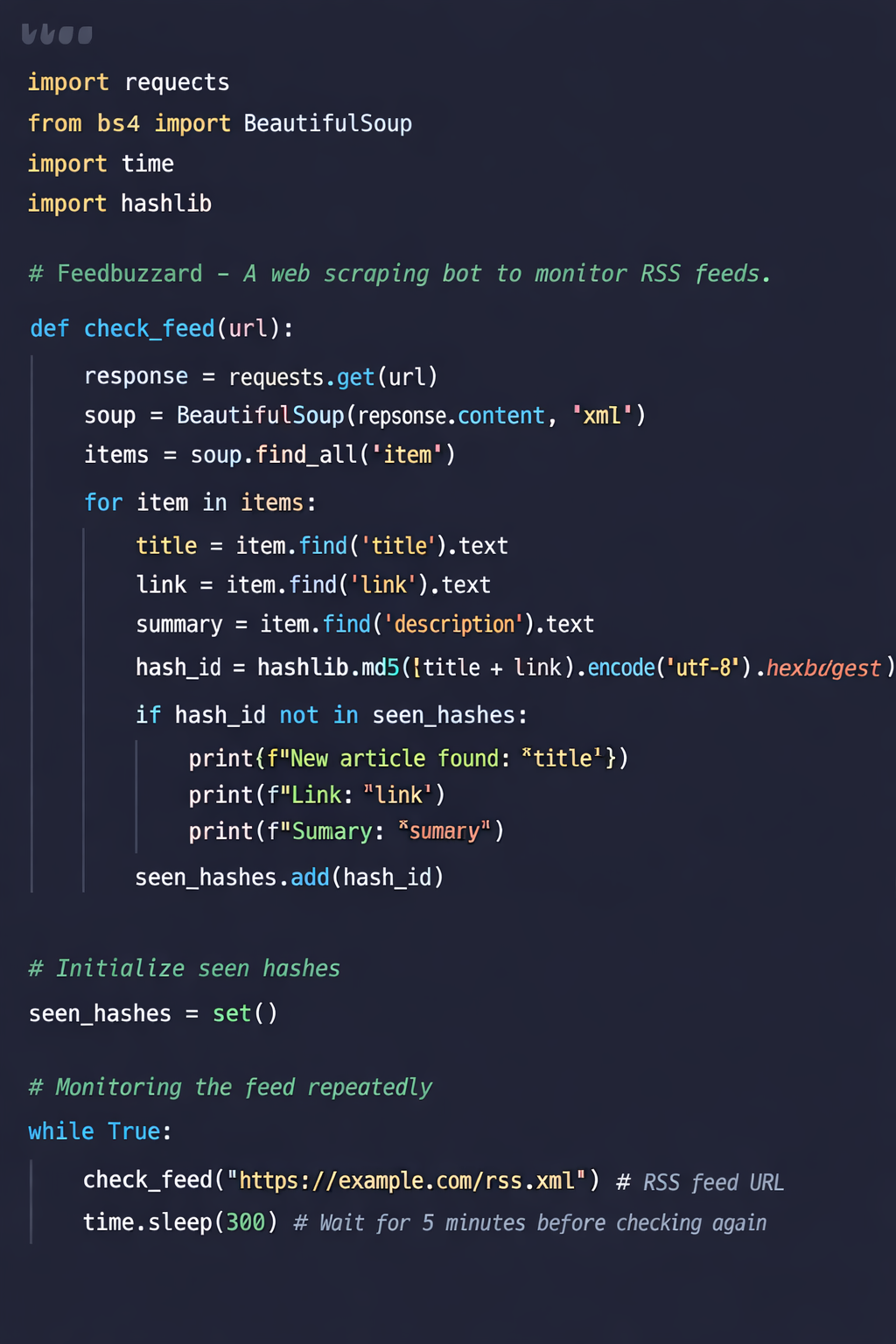
In the fast-moving digital world, tools, systems, and coded solutions are constantly feedbuzzard code evolving to help users manage information, automate tasks, and improve overall efficiency feedbuzzard code. Among these emerging concepts, the FeedBuzzard code has gained attention for its flexibility, adaptability, and practical usefulness across different digital environments. Whether you are a beginner trying to understand what it is or an experienced user looking to explore its deeper capabilities, learning how this code works can open the door to better performance and smarter workflows.
This guide explores the FeedBuzzard code in detail—what it is, how it functions, where it is used, and why it matters. By the end of this article, you will have a clear understanding of its structure, advantages, limitations, and future possibilities.
What Is FeedBuzzard Code?
FeedBuzzard code refers to a structured system of instructions designed to manage, organize, and process data streams efficiently. At its core, it acts as a logic framework that helps interpret inputs, apply predefined rules, and produce consistent outputs. Unlike basic scripts, it is often built with scalability and adaptability in mind.
Many users associate it with data handling, content flow control, and automation processes. Its modular nature allows developers and system managers to adjust components without rewriting the entire structure, making it both practical and cost-effective.
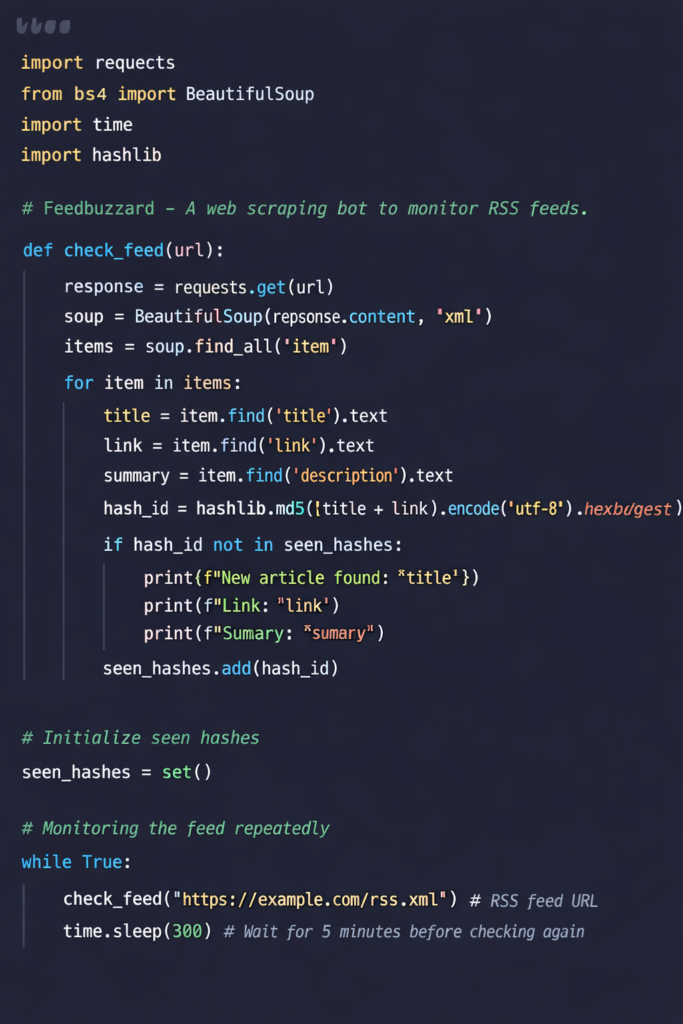
The Origin and Concept Behind FeedBuzzard Code
The idea behind this code emerged from the growing need to handle large volumes of information without overwhelming systems or users feedbuzzard code. Traditional methods often required manual intervention or rigid programming approaches that were difficult to update.
FeedBuzzard code introduced a smarter concept:
- Break data into manageable units
- Apply intelligent filtering rules
- Deliver results in a controlled and efficient manner
This philosophy made it attractive for digital environments where speed, accuracy, and flexibility are essential.
Core Components of FeedBuzzard Code
Understanding the internal structure helps users unlock its full potential. The code is usually divided into several core components:
1. Input Handling Layer
This layer collects raw data from various sources. It ensures that incoming information follows a recognizable format before moving forward.
2. Processing Logic
Here, rules and conditions are applied. This is where decision-making happens—sorting, filtering, prioritizing, or transforming data as required.
3. Output Management
Once processed, data is delivered in a structured form. This output may be stored, displayed, or forwarded to another system.
4. Error Control Mechanism
A built-in system that detects irregularities and prevents crashes or data corruption.
Each component works together to create a smooth and reliable flow.
How FeedBuzzard Code Works in Real-World Scenarios
In practice, the FeedBuzzard code is rarely visible to end users. Instead, it operates quietly in the background, powering systems that require consistency and control.
For example:
- A platform that collects updates from multiple sources can use this code to organize incoming data.
- Automated tools rely on it to apply rules without constant supervision.
- Data-driven environments use it to maintain order even during heavy traffic.
Its strength lies in the ability to function efficiently under pressure.
Benefits of Using FeedBuzzard Code
The popularity of this code is largely due to the advantages it offers.
Improved Efficiency
By automating repetitive tasks, it reduces manual workload and saves time.
Better Accuracy
Clear logic rules minimize errors and inconsistencies.
Scalability
The system can grow alongside increasing data demands.
Customization
Users can adjust logic rules without rebuilding the entire structure.
These benefits make it suitable for both small projects and large-scale systems.
FeedBuzzard Code vs Traditional Coding Approaches
Traditional coding often involves rigid structures that require significant effort to modify. In contrast, FeedBuzzard code emphasizes flexibility.
| Aspect | Traditional Code | FeedBuzzard Code |
|---|---|---|
| Structure | Fixed | Modular |
| Updates | Time-consuming | Efficient |
| Error Handling | Manual | Built-in |
| Adaptability | Limited | High |
This difference explains why many developers and system designers prefer it for modern applications.
Common Use Cases
Although it can be adapted for many purposes, some use cases stand out.
Data Aggregation
Combining information from multiple sources into a single organized stream.
Workflow Automation
Triggering actions based on predefined conditions.
Content Distribution
Managing how information is delivered across platforms.
System Monitoring
Detecting anomalies and responding automatically.
Each use case highlights its ability to simplify complex operations.
Setting Up FeedBuzzard Code
Implementing the code does not require advanced expertise, but planning is essential.
Step 1: Define Objectives
Understand what you want the system to accomplish.
Step 2: Design Logic Rules
Create clear conditions and outcomes.
Step 3: Test in a Controlled Environment
Identify errors before full deployment.
Step 4: Deploy Gradually
Monitor performance and adjust as needed.
A structured setup process ensures smoother operation in the long run.
Best Practices for Long-Term Stability
To keep the system running efficiently, follow these guidelines:
- Keep logic rules simple and readable
- Document changes regularly
- Monitor performance metrics
- Update components incrementally
These habits prevent confusion and reduce maintenance issues.
Security Considerations
Any system that processes data must address security concerns. FeedBuzzard code includes safeguards, but additional measures are recommended.
Access Control
Limit who can modify logic rules.
Data Validation
Ensure inputs meet expected formats.
Regular Audits
Identify vulnerabilities before they become problems.
Security planning protects both the system and its users.
Performance Optimization Tips
Even a well-designed system can benefit from optimization.
- Remove unnecessary rules
- Prioritize frequently used processes
- Cache repeated outputs
- Monitor resource usage
These steps help maintain fast and reliable performance.
Common Challenges and How to Overcome Them
Despite its strengths, users may face challenges.
Complexity in Large Systems
Solution: Break logic into smaller modules.
Debugging Difficulties
Solution: Use detailed logs and step-by-step testing.
Resistance to Change
Solution: Introduce updates gradually and provide documentation.
Proactive planning minimizes these obstacles.
The Learning Curve
New users often worry about complexity. However, FeedBuzzard code is designed to be intuitive.
Beginners can start with simple rules and gradually explore advanced features. Over time, confidence grows as familiarity increases.
Real-World Impact
Organizations that adopt this code often report:
- Reduced operational costs
- Improved response times
- Better system reliability
These outcomes demonstrate its practical value beyond theory.
Future Potential of FeedBuzzard Code
As digital systems continue to evolve, this code is expected to adapt alongside them.
Future developments may include:
- Greater integration with intelligent systems
- Enhanced automation capabilities
- Improved self-learning mechanisms
Its flexible foundation makes it well-suited for long-term relevance.
Customization and Extensibility
One of the most powerful features is extensibility. Users can add new modules without disrupting existing functionality.
This approach encourages innovation while maintaining stability.
Comparing FeedBuzzard Code With Similar Frameworks
While many frameworks offer automation and data management, FeedBuzzard code stands out due to its balance between simplicity and power.
It avoids unnecessary complexity while still supporting advanced operations.
Maintenance and Updates
Regular maintenance ensures optimal performance.
- Review logic rules periodically
- Remove outdated components
- Test updates before deployment
A proactive maintenance strategy prevents long-term issues.
Documentation and Team Collaboration
Clear documentation improves collaboration among teams.
When everyone understands how the system works, changes can be made confidently and efficiently.
Measuring Success
Success can be measured through:
- Reduced error rates
- Faster processing times
- Improved user satisfaction
These indicators help evaluate the effectiveness of the implementation.
Final Thoughts
The FeedBuzzard code represents a modern approach to handling complex digital processes with clarity and control. Its modular structure, adaptability, and reliability make it an attractive choice for users seeking efficient and scalable solutions.
READ MORE: THEBOSSMAGAZINE
