



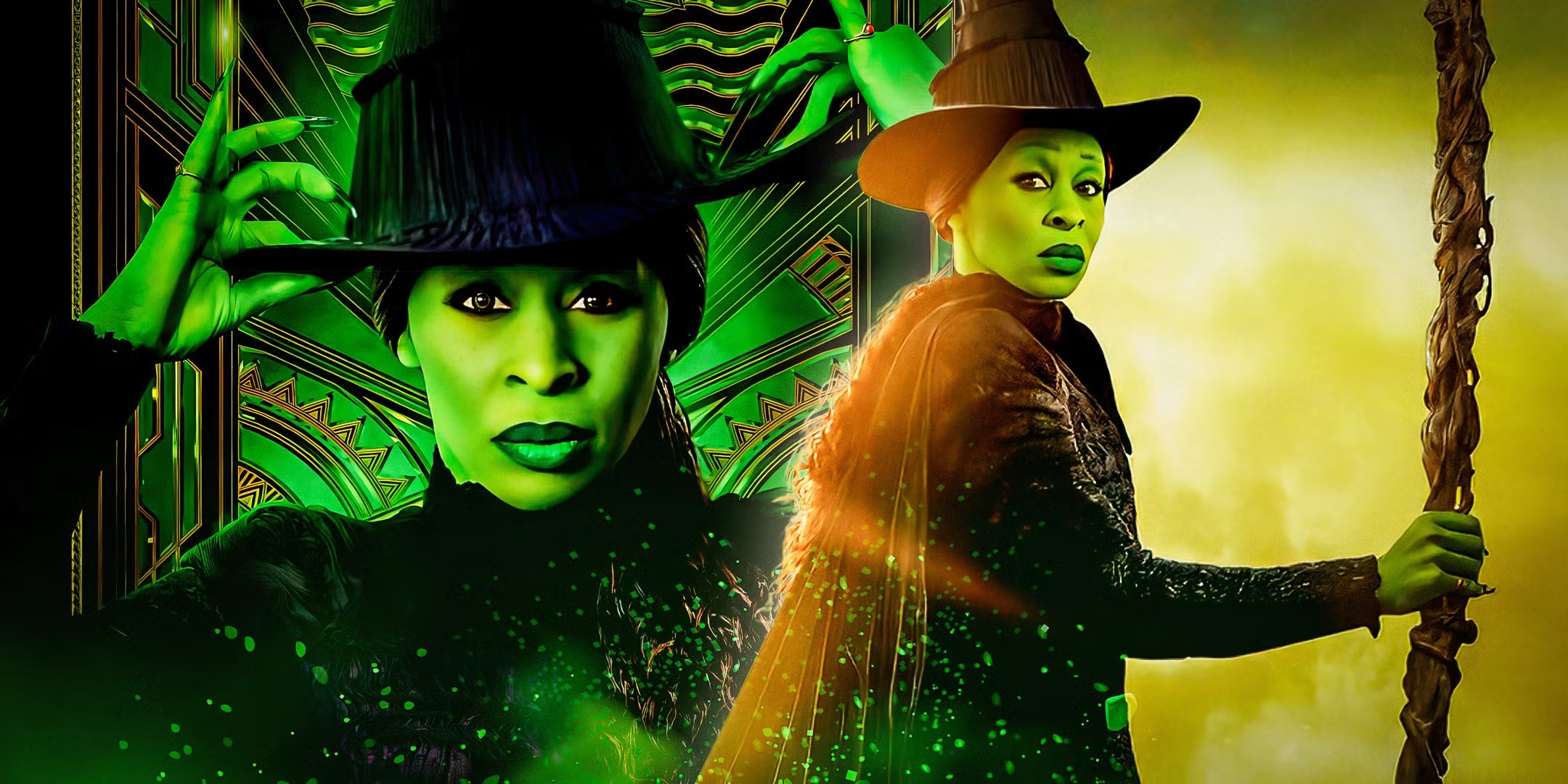
Elphaba Wicked, the unforgettable green-skinned witch, is one of the most iconic characters in modern musical theater. She is the main character in the musical Wicked, which tells the untold story of the witches from the Land of Oz. The musical was adapted from Gregory Maguire’s 1995 novel Wicked: The Life and Times of the Wicked Witch of the West. Unlike the traditional story of The Wizard of Oz, Elphaba is not evil by nature. Instead, her story shows how society’s fear and prejudice shaped her life and reputation.
Elphaba Wicked is known for her intelligence, independence, and strong sense of justice. From a young age, she stands out because of her green skin. People judge her before they even know her, which makes her life difficult. Despite these challenges, Elphaba grows into a strong, confident woman who refuses to conform to societal expectations. She becomes a symbol of courage and individuality, inspiring audiences worldwide.
Early Life of Elphaba
Elphaba Thropp, later known as the Wicked Witch of the West, was born in the Land of Oz. She is the daughter of Madame Morrible and the Governor of Munchkinland. Her green skin sets her apart from everyone else, making her an outsider from the beginning. Her intelligence and curiosity are noticeable early in life. She enjoys reading, asking questions, and learning about the world around her.
Despite her talents, Elphaba faces challenges at home and school. Her parents struggle to understand her, and she often feels lonely. Schoolmates tease her for her appearance and strange habits. These experiences shape her character, teaching her resilience and determination. They also give her a deep sense of empathy for others who are misunderstood or mistreated.
Elphaba at Shiz University
Elphaba’s life changes when she attends Shiz University. Here, she meets Galinda (later Glinda the Good Witch), who becomes both a friend and rival. At first, they clash because of their different personalities. Galinda is popular and outgoing, while Elphaba is serious and studious. Over time, however, they develop a strong bond. Their friendship becomes one of the central relationships in Wicked, showing that differences can bring people together.
At Shiz University, Elphaba begins to explore her magical powers. She learns to control her abilities and discovers her true potential. This period also introduces her to the politics and corruption of Oz, which fuels her desire to fight for justice. Her experiences at university set the stage for her later actions and decisions as a witch.
Elphaba’s Moral Struggles
One of the most compelling aspects of Elphaba Wicked is her moral struggle. She is constantly torn between doing what is easy and doing what is right. Many characters in the musical pressure her to conform or abandon her principles. For example, she is offered opportunities to work with powerful figures in Oz, but these often come at the cost of her integrity.
Elphaba refuses to compromise her values, even when it makes her unpopular or dangerous. Her decisions highlight her courage and commitment to justice. These moral struggles make her a complex and relatable character. Audiences admire her not because she is perfect, but because she stays true to herself despite immense pressure.
The Rise of the Wicked Witch
Elphaba’s transformation into the Wicked Witch of the West is both tragic and powerful. Society labels her as “wicked” because of her actions against injustice and corruption. She challenges the Wizard of Oz and other authorities who abuse power. Her rebellion is seen as dangerous, which causes fear among the citizens of Oz.
Despite being misunderstood, Elphaba remains determined to help those in need. She uses her magical powers to fight for the oppressed, even when it isolates her from friends and family. The musical portrays this transformation not as a turn to evil, but as a result of standing up for what is right in a world that misunderstands her.
Elphaba and Fiyero
Elphaba’s relationship with Fiyero is a central part of her story. Fiyero is a charming and adventurous young man who initially seems carefree. As the story progresses, he comes to understand Elphaba’s passion and sense of justice. Their love is complicated by the dangers Elphaba faces and the societal pressures surrounding them.
Their romance adds depth to Elphaba’s character. It shows her vulnerability and capacity for love, even while she fights for her beliefs. Fiyero’s support and eventual sacrifice highlight the theme of loyalty and courage in the musical. The love story also reminds audiences that even the strongest characters need companionship and understanding.
Elphaba’s Legacy
Elphaba Wicked has left a lasting impact on popular culture and theater. She has inspired countless fans with her courage, intelligence, and independence. Wicked has become one of the most successful musicals of all time, running on Broadway and in theaters worldwide. Many actors have portrayed Elphaba, each bringing unique qualities to the character.
Elphaba represents more than just a fictional witch. She is a symbol of resilience, individuality, and the fight against prejudice. Her story encourages audiences to question societal labels and to stand up for what they believe in. She reminds us that being different is not a weakness, but a strength.
Iconic Songs and Performances
Elphaba Wicked is also famous for her musical performances. Songs like “Defying Gravity” and “No Good Deed” have become iconic in theater history. “Defying Gravity” in particular captures her spirit of independence and determination. The song is a defining moment in the musical, showing her courage to rise above challenges and societal expectations.
Performers who play Elphaba face demanding vocal and emotional challenges. The role requires a powerful voice, emotional depth, and stamina. Many actresses have received critical acclaim for their portrayals, cementing Elphaba as one of the most iconic roles in musical theater.
Cultural Impact of Elphaba Wicked
Elphaba’s influence extends beyond the stage. She has become a cultural icon representing female empowerment and individuality. Her story resonates with anyone who has felt misunderstood or judged for being different. She also challenges traditional narratives about “good” and “evil,” showing that morality can be complex.
Merchandise, fan art, and social media discussions continue to celebrate Elphaba and Wicked. The character has inspired discussions about identity, prejudice, and self-acceptance. Schools, theater groups, and fans often use her story to teach lessons about empathy and courage.
Conclusion
Elphaba Wicked is more than just a character in a musical. She is a symbol of courage, individuality, and standing up for what is right. Her journey from a misunderstood young girl to the legendary Wicked Witch of the West shows the power of resilience and integrity. Wicked offers audiences a fresh perspective on a familiar story, inviting us to consider the untold stories behind every character.
Through her struggles, relationships, and triumphs, Elphaba inspires generations of theater-goers to embrace their differences and pursue their passions. She reminds us that being “wicked” in the eyes of society can sometimes mean being brave and true to oneself.
FAQs
Who is Elphaba in Wicked?
Elphaba is the main character in the musical Wicked. She is the green-skinned witch who later becomes known as the Wicked Witch of the West. The musical explores her life, challenges, and the reasons behind her reputation.
Why is Elphaba called Wicked?
Elphaba is labeled “wicked” because she defies authority and fights against corruption in Oz. Society misunderstands her actions, and fear leads people to see her as evil, even though she acts out of justice and compassion.
What is Elphaba’s most famous song?
Elphaba’s most famous song is “Defying Gravity.” It is a powerful anthem about independence, courage, and rising above challenges. The song is often considered one of the highlights of the musical.
